
A Complete Travel Guide to Agadir City, Its History, Culture and Lifestyle
Located along Morocco’s southwestern Atlantic coast, Agadir is one of the country’s most attractive travel destinations for visitors seeking sunshine, beautiful beaches, cultural discoveries and a relaxed lifestyle. Renowned for its mild climate, extensive seafront, modern infrastructure and welcoming atmosphere, the city has become an important centre of Moroccan tourism.
However, Agadir is much more than a seaside resort. It is a city with a fascinating history, deeply rooted Amazigh traditions, a dynamic economy and a strategic location in the heart of the Souss-Massa region. Its identity has been shaped by centuries of commercial exchanges, maritime activities, agricultural development and, more recently, the remarkable reconstruction that followed the devastating earthquake of 1960.
For international visitors, Agadir offers a different perspective on Morocco. Unlike the historic imperial cities of Marrakech and Fez, it combines a contemporary urban environment with easy access to traditional villages, spectacular mountain landscapes, nature reserves and the Atlantic coastline.
Whether you are planning a relaxing holiday, a cultural visit or a longer journey through southern Morocco, this Agadir travel guide will help you understand the city and its surroundings and make the most of your stay. From its history and cultural identity to its attractions, cuisine and practical travel advice, here is everything you need to know before visiting Agadir.
Where Is Agadir Located in Morocco?
Agadir is located in southwestern Morocco, on the shores of the Atlantic Ocean, approximately 500 kilometres south of Casablanca and 250 kilometres west of Marrakech by road.
It is the main city of the Souss-Massa administrative region and serves as an important economic, commercial and tourism centre in southern Morocco.
The city occupies a strategic geographical position between three distinct natural environments:
- The Atlantic Ocean to the west, with its extensive beaches and important fishing grounds.
- The fertile Souss Valley to the east, renowned for its agricultural production.
- The Anti-Atlas Mountains further inland, characterised by impressive rocky landscapes, traditional villages and a rich Amazigh heritage.
This geographical diversity is one of Agadir’s greatest advantages. Visitors can enjoy the beach in the morning, discover traditional markets in the afternoon and spend another day exploring the surrounding countryside or mountain landscapes.
Agadir is also an important gateway to destinations such as Taghazout, Taroudant, Tafraoute, Tiznit, Paradise Valley and Souss-Massa National Park.
For travellers planning their stay, this Agadir city guide provides a useful introduction to its geographical location, surrounding landscapes and main attractions. Understanding Agadir’s geographical setting is an excellent starting point for discovering what makes this coastal destination so special and planning excursions throughout the region.
The Meaning and Origin of the Name Agadir
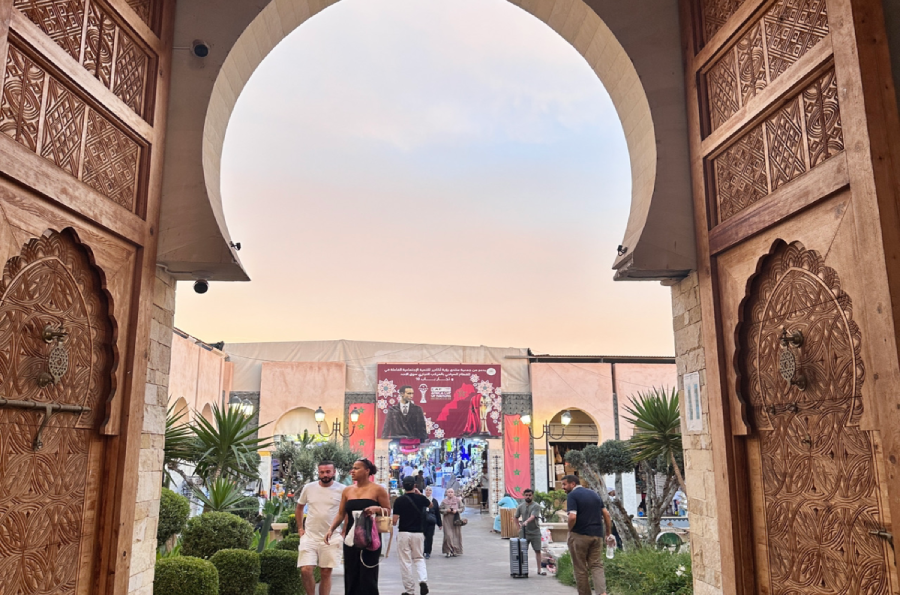
The name Agadir has an interesting linguistic and cultural origin that reflects the city’s Amazigh heritage.
The word Agadir comes from the Amazigh language, particularly the Tachelhit variety spoken throughout much of southern Morocco. Traditionally, it refers to a fortified structure, citadel or communal granary used to protect and store valuable possessions, agricultural products and food supplies.
These fortified granaries, collectively known as Igoudar, played an important role in traditional Amazigh communities. They were often built on elevated or strategically protected sites and served as communal storage facilities.
The name is not exclusive to the Atlantic city. Similar structures and place names can be found in different parts of Morocco, particularly in the Souss and Anti-Atlas regions.
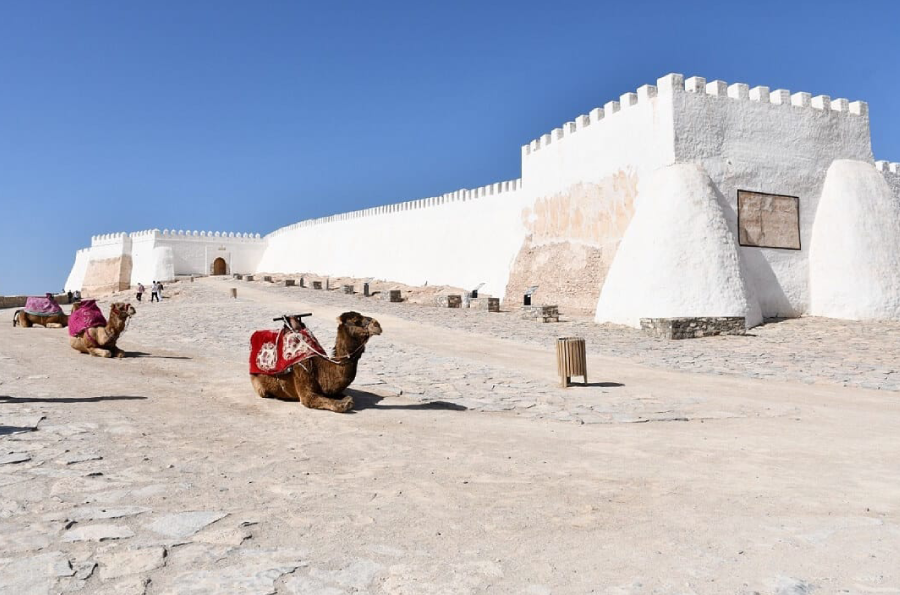
The historic Kasbah of Agadir Oufella, overlooking the bay, is closely connected to this heritage. The term Oufella refers to its elevated position, distinguishing the upper fortress from the old neighbourhood that once stood below it.
The name itself therefore offers an insight into the history and identity of the region, where community organisation, agricultural traditions, resource protection and fortified architecture played a central role in everyday life.
History of Agadir: From a Historic Port to a Modern City
Agadir’s history is much older than its present-day appearance might suggest. Although the modern city was largely rebuilt during the second half of the 20th century, the region has been an important coastal settlement and trading centre for several centuries.
Early History of Agadir and the Portuguese Presence
Agadir’s strategic location attracted foreign merchants and maritime powers from an early period.
In 1505, the Portuguese established a trading post in the region known as Santa Cruz do Cabo de Aguer. It became an important commercial and military position along the Atlantic coast.
The Portuguese presence eventually came to an end in 1541, when Moroccan forces regained control of the city.
During the 16th century, the region continued to develop under Morocco’s ruling dynasties. The construction and development of the Kasbah on the hill overlooking the bay strengthened its strategic importance.
The fortress protected the city and helped control access from the sea.
Agadir During the French Protectorate
During the 20th century, Agadir experienced considerable urban and economic development.
The establishment of modern port infrastructure, improvements to transport networks and the expansion of commercial activities transformed the city into an increasingly important regional centre.
Agriculture, fishing, food processing and trade became major economic activities.
Agadir also attracted international attention in 1911 during the Agadir Crisis, when a German gunboat arrived in the bay amid tensions between France and Germany over their colonial interests in Morocco.
This diplomatic incident became an important episode in European international relations in the years leading up to the First World War.
The 1960 Earthquake: The Greatest Tragedy in Agadir’s History
One of the most defining events in Agadir’s modern history occurred on the night of 29 February 1960.
At around 11 pm, a powerful earthquake struck the city, destroying much of the urban area within seconds.
The disaster claimed more than 15,000 lives and left thousands of people injured or homeless. Entire neighbourhoods, including the old Talborjt district and areas surrounding the Kasbah, were severely affected.
This earthquake remains one of the darkest chapters in modern Moroccan history.
Following the disaster, the Moroccan authorities launched an ambitious reconstruction programme. The new city was built further south, featuring modern urban planning, wide avenues, new residential districts and improved infrastructure.
This reconstruction represented a remarkable national effort and gradually transformed Agadir into a modern city.
Today, the memory of the earthquake remains an important part of local identity. Visitors wishing to understand this historical event can learn more at the Agadir Memory Museum and in the historic Kasbah district.
Agadir Today
Over the following decades, Agadir developed into one of Morocco’s most important urban and tourism destinations.
Its modern infrastructure, international airport, commercial port, hotels, educational institutions and expanding economic activities have strengthened its position as the regional capital of Souss-Massa.
Today, Agadir represents an interesting combination of historical heritage, contemporary development and the traditional culture of southern Morocco.
Agadir’s Economy: Fishing, Agriculture, Trade and Tourism
Agadir is one of the most economically important cities in southern Morocco. Its development is closely linked to the natural resources and economic activities of the wider Souss-Massa region.
Four major sectors play a particularly important role in the regional economy.
Fishing and the Maritime Industry
Fishing has traditionally been one of the pillars of Agadir’s economy.
The city’s commercial and fishing port is among Morocco’s important maritime facilities and supports an extensive network of economic activities.
The fishing industry includes:
- Commercial fishing and seafood production.
- Sardine processing and canning.
- Fish distribution and wholesale trade.
- Seafood exports.
- Maritime services and related industries.
Agadir has historically been particularly associated with sardine fishing and processing, and its port has played an important role in Morocco’s seafood industry.
The proximity of highly productive Atlantic fishing grounds has contributed to the development of a strong local seafood culture, which visitors can experience in traditional restaurants and fish markets.
Agriculture and the Food Processing Industry
The Souss Valley is one of Morocco’s most important agricultural regions.
Its relatively favourable conditions, irrigation infrastructure and agricultural expertise have encouraged the development of large-scale farming and food processing industries.
The region is particularly renowned for:
- Tomatoes and other early-season vegetables.
- Citrus fruits, particularly oranges and mandarins.
- Bananas and other fruit crops.
- Agricultural exports.
- Food processing and packaging.
The agricultural sector provides employment for a significant number of people and contributes to both domestic consumption and international exports.
The surrounding countryside is also home to extensive argan forests, which are particularly important from environmental, cultural and economic perspectives.
Tourism and Hospitality
Tourism has become one of the main pillars of Agadir’s economy.
The city’s climate, beaches, hotel infrastructure and international air connections have made it a popular destination for both Moroccan and international visitors.
Agadir offers a wide range of accommodation options, including:
- International hotel chains.
- Luxury beachfront resorts.
- All-inclusive hotels.
- Boutique hotels.
- Apartments and holiday rentals.
- Guesthouses and small independent establishments.
The tourism sector also supports restaurants, cafés, travel agencies, transport companies, local guides, activity providers and many other service businesses.
In addition to traditional beach tourism, Agadir is increasingly associated with surfing, golf, wellness holidays, nature tourism and cultural experiences.
Trade, Services and Regional Development
As the main urban centre of Souss-Massa, Agadir is also an important commercial and administrative hub.
Its markets, shopping centres, wholesale businesses and professional services attract residents from neighbouring towns and rural communities.
The city also benefits from its strategic location, connecting the northern Atlantic coast with southern Morocco and the agricultural and mountainous regions further inland.
This combination of economic sectors makes Agadir much more than a simple tourist resort. It is a dynamic regional city whose economy is closely connected to the development of the entire Souss-Massa region.
Weather in Agadir: Sunshine All Year Round
One of the main reasons Agadir attracts visitors from Europe and other parts of the world is its pleasant climate.
Located on the Atlantic coast, the city benefits from a combination of coastal and semi-arid climatic influences.
Unlike some inland destinations in Morocco, where summer temperatures can become extremely high, Agadir generally enjoys moderate temperatures thanks to the influence of the Atlantic Ocean.
The city is renowned for its abundant sunshine, relatively mild winters and warm, dry summers.
Spring: March to May
Spring is one of the most pleasant times to visit Agadir.
Temperatures are generally comfortable, the surrounding countryside can be particularly beautiful after winter rainfall, and outdoor sightseeing is enjoyable.
It is an excellent season for discovering the city, visiting local markets and exploring the natural landscapes nearby.
Summer: June to August
Summer brings long sunny days and generally dry weather.
Although temperatures can rise, the Atlantic breeze often makes conditions more comfortable than in Morocco’s inland cities.
This is the main season for beach holidays, swimming, surfing and walks along the seafront.
Occasionally, warm easterly winds, locally known as the Chergui, can cause temperatures to rise considerably.
Autumn: September to November
Autumn is another excellent time to visit Agadir.
The weather generally remains warm and sunny, while the atmosphere can be quieter than during the peak summer season.
This period is particularly suitable for visitors who want to combine beach time with cultural sightseeing and excursions.
Winter: December to February
Agadir enjoys relatively mild winters compared with many European destinations.
Daytime temperatures are often pleasant, making the city particularly attractive for winter sun holidays.
Evenings can be cool and occasional rainfall is possible, so bringing a light jacket or warmer clothing is recommended.
The Atlantic Ocean can also feel relatively cold, even when the weather is sunny during the day.
What Is the Best Time to Visit Agadir?
Agadir is a destination worth visiting throughout the year. Spring and autumn are particularly pleasant for sightseeing and outdoor activities, while summer is ideal for traditional beach holidays. Winter attracts visitors looking for sunshine and milder weather.
Population, Languages and Cultural Identity of Agadir
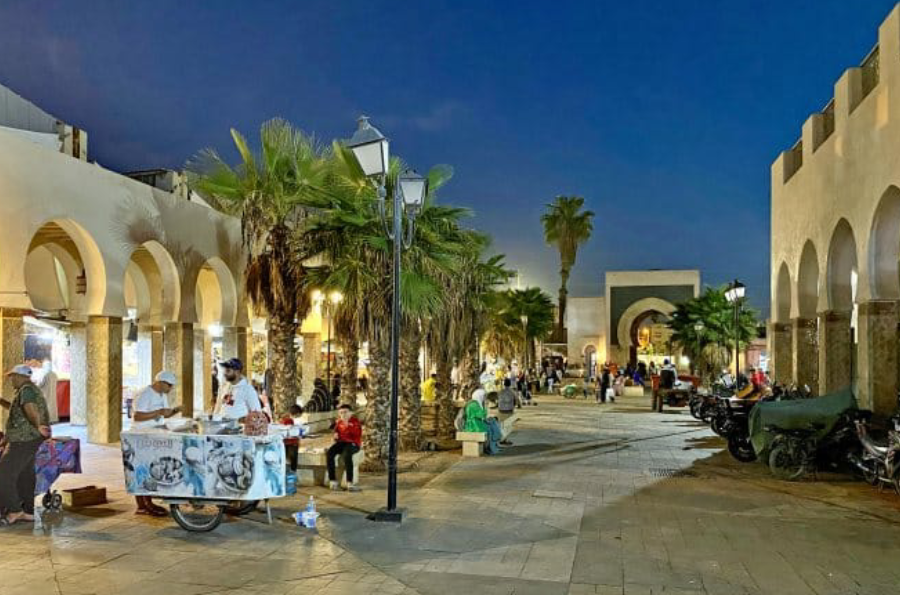
Agadir is the main urban centre of a region with a strong Amazigh cultural identity.
The Souss region has historically been associated with Chleuh Amazigh communities, whose language, traditions and customs remain an essential part of local life.
According to Morocco’s 2024 census, the municipality of Agadir has a population of approximately half a million inhabitants.
The wider urban and metropolitan area extends beyond the municipal boundaries and includes neighbouring municipalities such as Inezgane, Aït Melloul, Dcheira and the surrounding urban districts.
Languages Spoken in Agadir
Visitors will encounter several languages during their stay.
- Tachelhit (Amazigh): One of the most important languages in the Souss region, spoken by many local residents and deeply connected to the region’s cultural identity.
- Moroccan Arabic (Darija): Widely used in everyday conversations, shops, restaurants and public services.
- Modern Standard Arabic: Used in formal communication, education and official contexts.
- French: Commonly spoken in business, administration, hotels and many commercial establishments.
- English: Increasingly used in the tourism and hospitality sectors, particularly in hotels, restaurants and businesses welcoming international visitors.
Spanish and other European languages can also be encountered, particularly in tourism-related businesses.
Amazigh Traditions and Heritage
Amazigh culture is one of the most distinctive features of southern Morocco.
It can be experienced through traditional music, architecture, jewellery, handicrafts, clothing, cuisine and rural customs.
The region is particularly renowned for its silver jewellery, traditional carpets and argan oil production.
Visitors wishing to gain a deeper understanding of this cultural identity can explore local museums, artisan workshops, traditional markets and nearby rural communities.
The Amazigh Heritage Museum in Agadir is a particularly interesting place to begin discovering this history.
These traditions are an essential part of Agadir’s traditional lifestyle and culture, offering insight into the city’s distinctive identity within Morocco.
What to See and Do in Agadir: Best Places to Visit
Although Agadir is often associated with its beach resorts, the city offers several interesting attractions and experiences.
The combination of modern infrastructure, traditional markets, cultural attractions and surrounding natural landscapes makes it a destination suitable for different types of travellers. If you are looking for the best places to visit in Agadir, the following attractions are among the highlights.
Agadir Beach and the Seafront Promenade
The city’s long sandy beach is undoubtedly its most iconic attraction.
The seafront promenade is lined with hotels, cafés, restaurants and leisure facilities. It is a popular place for walking, relaxing, enjoying ocean views and watching the sunset.
Agadir Oufella and the Old Kasbah
The old Kasbah overlooks the entire bay and offers panoramic views of the city, the port and the Atlantic coastline.
It is one of Agadir’s most important historical landmarks and an excellent place to gain a better understanding of the city’s past.
Souk El Had
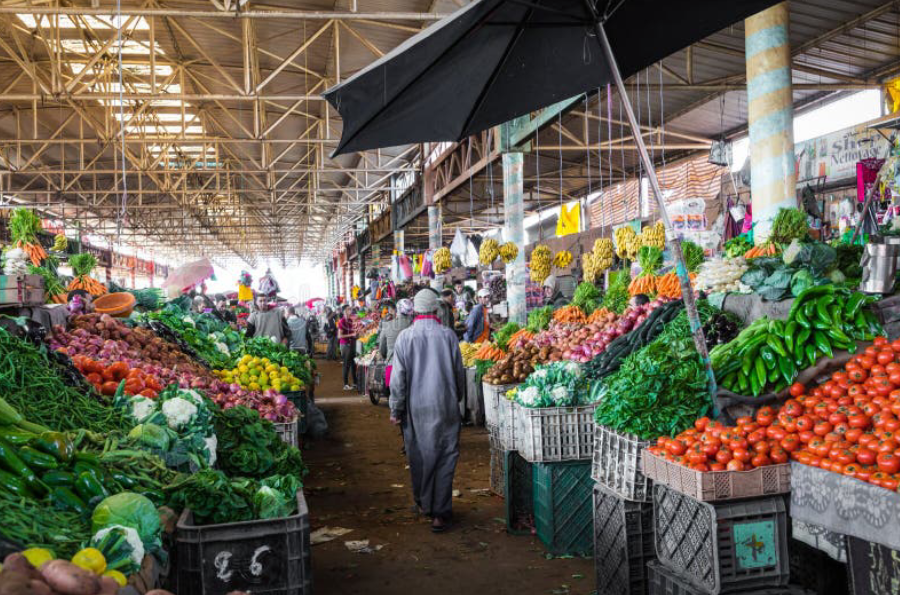
Souk El Had is one of the largest traditional markets in southern Morocco.
Visitors can discover spices, fresh produce, traditional clothing, jewellery, handicrafts, argan oil and many other local products.
It is also an excellent opportunity to experience the atmosphere of a traditional Moroccan market.
The Amazigh Heritage Museum
The museum introduces visitors to the region’s cultural identity through traditional jewellery, textiles, household objects and historical artefacts.
Agadir Marina
The Marina offers a modern waterfront setting with restaurants, cafés, shops and views of the pleasure boats.
It is a particularly pleasant place for an evening stroll or a meal in a relaxing atmosphere.

Agadir Medina
Also known as Medina Polizzi, this reconstructed traditional-style complex offers a glimpse into Moroccan architectural styles and traditional craftsmanship.
Other Activities and Experiences: What to Do in Agadir
Agadir and its surrounding areas offer a wide range of leisure activities, including surfing, golf, horse riding, camel rides, quad biking, hiking, trekking, boat trips, wellness experiences and nature excursions.
Visitors can also discover nearby destinations such as Taghazout, Paradise Valley, Imsouane, Taroudant, Tafraoute and Tiznit.
These activities make Agadir an attractive destination for visitors looking for more than just a beach holiday, with plenty of things to do in Agadir and the surrounding region.
Agadir Food Guide: What to Eat in Agadir
Food is an essential part of discovering Agadir and the Souss-Massa region.
Local cuisine combines traditional Moroccan recipes, Amazigh culinary heritage and the influence of the Atlantic fishing industry.

Fresh Fish and Seafood
Agadir is particularly renowned for its fresh seafood.
The city’s port provides access to a wide variety of fish, including sardines, sea bream, sea bass and other Atlantic species.
Visitors should try grilled fish, seafood tagines and traditional Moroccan fish dishes.
Moroccan Tagine
Tagine is one of the country’s most iconic traditional dishes.
It is prepared using a variety of ingredients, including chicken, lamb, beef, vegetables, olives, preserved lemons and traditional spices.
Couscous
Couscous holds an important place in Moroccan culinary traditions, particularly during family gatherings and Friday meals.
It is generally served with vegetables and meat, although many regional variations exist.
Amlou: A Traditional Amazigh Speciality
Amlou is one of the best-known culinary products of the Souss region.
It is traditionally prepared using roasted almonds, argan oil and honey.
This delicious spread is usually served with Moroccan bread and is particularly popular at breakfast.
Moroccan Mint Tea
Mint tea is an essential part of Moroccan hospitality.
Prepared with green tea, fresh mint and sugar, it is traditionally served in small glasses and offered to guests as a symbol of welcome.
Visitors should also try traditional Moroccan bread, local honey, olives, dates and regional pastries.
Shopping in Agadir
Shopping is another enjoyable experience for visitors.
Agadir offers a combination of traditional markets, handicraft shops, modern shopping centres and specialised stores.
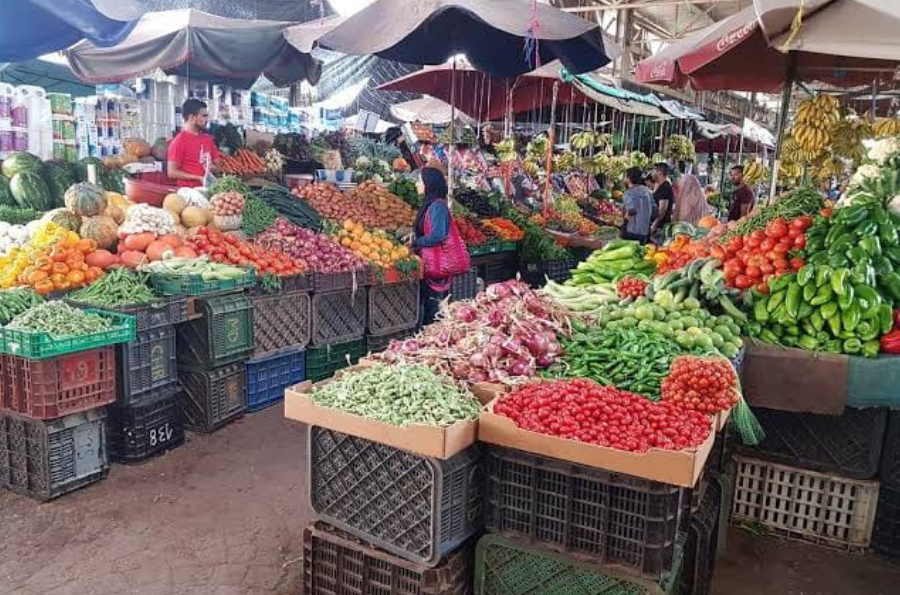
Souk El Had is the main destination for visitors looking for traditional Moroccan products.
Popular purchases include:
- Argan oil and natural cosmetics.
- Amlou and local honey.
- Amazigh silver jewellery.
- Traditional carpets and textiles.
- Leather goods and Moroccan babouches (traditional slippers).
- Ceramics and pottery.
- Traditional spices and herbs.
- Handmade decorative items.
Visitors interested in authentic products should consider buying directly from recognised artisan workshops and local cooperatives.
When purchasing argan oil, it is advisable to choose reputable sellers who can explain its origin and production process.
Accommodation: Where to Stay in Agadir
Agadir offers accommodation options to suit different budgets and travel preferences.
The most popular area among international visitors is the seafront tourist district, where many hotels and resorts are located.
The Seafront Area
This is an excellent choice for visitors looking for a traditional beach holiday.
Hotels in this area offer convenient access to the beach, restaurants, cafés and the main promenade.
The City Centre
The city centre offers a more urban atmosphere and may suit visitors interested in shopping, local restaurants and everyday city life.
It also provides easy access to Souk El Had and several cultural attractions.
The Marina
The Marina is an attractive area for visitors looking for modern apartments, restaurants and a pleasant waterfront setting.
Founty and the Tourist Districts
These areas feature a mixture of hotels, holiday apartments and residential accommodation, providing alternatives to the main seafront hotels.
Taghazout and the Northern Coast
Travellers interested in surfing and a quieter coastal atmosphere may prefer to stay in Taghazout or one of the neighbouring villages.
The best accommodation choice mainly depends on your preferences: a traditional beach resort holiday, an independent city stay or a more peaceful coastal experience.
How to Get to Agadir
Agadir can be reached by air and by road.
By Air
Agadir-Al Massira International Airport (AGA) is located approximately 25 kilometres from the city centre.
It handles domestic and international flights, with direct connections to several Moroccan and European cities depending on the season and airline schedules.
From the airport, visitors can reach their accommodation using:
- Private airport transfers (recommended).
- Rental cars.
It is advisable to arrange airport transportation before arrival, particularly during busy tourist periods or when travelling with family and larger groups.
By Road
Agadir is connected to several major Moroccan cities through the national road network and motorway infrastructure.
Approximate road distances include:
- Marrakech: 250 kilometres.
- Casablanca: 500 kilometres.
- Essaouira: 175 kilometres.
- Taroudant: 80 kilometres.
- Tiznit: 90 kilometres.
Distances and journey times depend on the chosen route and traffic conditions.
Getting Around Agadir
Getting around Agadir is relatively straightforward.
The city offers several transport options that allow visitors to travel between the beach, city centre, markets and surrounding neighbourhoods.
- Petit taxis: These small city taxis are widely used for getting around Agadir. They are generally suitable for individual travellers or groups of up to three people.
- Car rental: Renting a car can be convenient for visitors who want to explore the Souss-Massa region independently.
- Private transport: A pre-booked private vehicle with a professional driver offers greater comfort and convenience, particularly for airport transfers, families, groups and longer journeys.
For visitors wishing to travel beyond the city, private transport offers greater flexibility and makes journeys more comfortable. In this case, Agharass Tours is your partner of choice.

Practical Travel Information for Tourists Visiting Agadir
Before travelling to Agadir, it is useful to know a few practical details. This Agadir city guide covers everything you should know before your visit to help you prepare for your stay.
Currency
Morocco’s official currency is the Moroccan dirham (MAD).
Banks, authorised currency exchange offices and ATMs are available throughout Agadir.
Major hotels, restaurants and commercial establishments generally accept international bank cards, but smaller shops, traditional markets and some local restaurants may prefer cash payments.
It is advisable to carry a reasonable amount of local currency for everyday purchases.
Time Zone
Morocco generally follows the GMT (UTC+00:00) time zone.
Electricity
Morocco generally uses a 220 V electrical supply, along with European-style Type C and Type E sockets.
Visitors from countries using different plug systems may need a travel adapter.
Internet and Mobile Communications
Mobile network coverage is widely available in Agadir.
Visitors can purchase a Moroccan SIM card or use an international roaming service. Many hotels, cafés and restaurants also provide Wi-Fi.
Clothing and Local Customs
Agadir is a relatively modern and international tourist destination.
Visitors generally find a relaxed atmosphere, particularly around the seafront and main hotel districts.
Nevertheless, Morocco remains a country with strong cultural and religious traditions.
Respectful clothing is recommended when visiting traditional neighbourhoods, markets and religious or cultural sites.
During Ramadan, opening hours and daily routines may change, particularly around mealtimes and in the evenings.
Health and Personal Safety
Agadir is an established tourist destination with hotels, pharmacies, medical facilities and other services.
As with any international destination, visitors should take the usual precautions:
- Keep valuables secure.
- Use reliable transport providers.
- Drink enough water, particularly in hot weather.
- Apply sun protection during outdoor activities.
- Follow local safety instructions regarding swimming and beaches.
- Consider travel insurance covering medical assistance and planned activities.
Visitors should also check the latest travel advice issued by their home country before departure.
How Long Should You Stay in Agadir?
The ideal length of stay depends on your interests and the type of holiday you are planning.
For a short visit, two or three days are enough to discover the main attractions, enjoy the beach and experience the local atmosphere.
A stay of four or five days allows visitors to combine sightseeing with relaxation and discover some of the natural and coastal attractions nearby.
For travellers wishing to explore the wider Souss-Massa region and southern Morocco, a stay of seven days or more provides a much more complete experience.
Agadir can also serve as a starting point for a longer journey through Morocco, connecting the Atlantic coast with the Anti-Atlas Mountains, Marrakech and the southern regions.
Why Visit Agadir? Discover the City’s Culture and Lifestyle
Agadir offers a distinctive combination of features that make it one of Morocco’s most attractive holiday destinations.
The city combines a pleasant climate, an extensive Atlantic coastline, modern tourism infrastructure, a rich cultural identity and access to some of the most beautiful landscapes in southern Morocco.
Its geographical location makes it particularly appealing to travellers who want to discover several different aspects of Morocco during a single trip.
Unlike destinations where tourism is mainly centred around historical monuments, Agadir offers a balance of relaxation, contemporary urban life, traditional culture and nature.
It is suitable for families, couples, independent travellers, seniors, adventure enthusiasts and anyone looking for a comfortable destination to enjoy winter sunshine.
Most importantly, Agadir provides an excellent introduction to the Souss-Massa region and its remarkable Amazigh heritage.
The city's everyday atmosphere, local markets, traditional cuisine, coastal activities and Amazigh heritage all contribute to Agadir’s culture and lifestyle. Together, these elements allow visitors to discover a different side of Morocco, beyond the country's better-known imperial cities.
Discover Agadir with Agharass Tours
At Agharass Tours, we believe that discovering a destination is about much more than visiting its main attractions. It is also about understanding its culture, meeting local people and experiencing the diversity of the surrounding region.
Based in Agadir, we provide professional tourist transport and travel services for international visitors, families, couples and groups.
With extensive experience in Morocco’s tourism industry, our team is committed to providing comfortable, reliable and professional transport solutions.
Whether you need an airport transfer, transportation in Agadir, a private excursion or a multi-day tour across Morocco, we are here to help you organise your journeys.
Our services cover Agadir and destinations throughout Morocco, allowing visitors to discover the country with the comfort and flexibility of professional local transport.
Planning to Visit Agadir?
Contact Agharass Tours to arrange your transportation and discover the beauty of Agadir and southern Morocco.