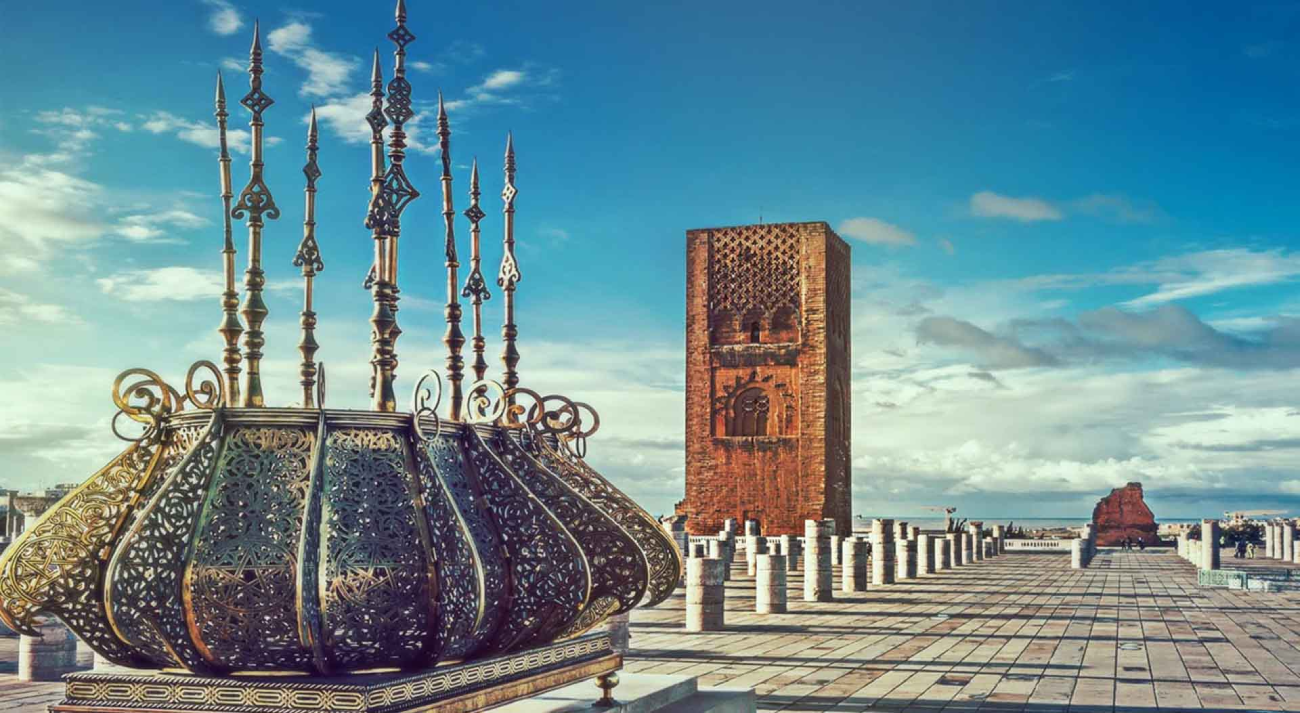
Rabat City Guide, Discover Its History and Hidden Treasures
Rabat, the capital of the Kingdom of Morocco, is a city that captivates visitors with its historical heritage, elegant architecture and peaceful atmosphere. Located on the Atlantic coast, at the mouth of the Bouregreg River, it offers a harmonious blend of Moroccan traditions, Andalusian heritage and modernity.
Often less visited than Marrakech or Fez, Rabat nevertheless deserves an important place on any Morocco travel itinerary. Its historic streets, iconic monuments, green gardens and modern neighbourhoods make it a wonderful destination to discover.
Listed as a UNESCO World Heritage Site since 2012 under the name "Rabat, Modern Capital and Historic City: A Shared Heritage", the city reflects centuries of history and cultural encounters.
Whether you want to visit historical monuments, discover local traditions, enjoy the ocean or sample Moroccan cuisine, this Rabat city guide introduces you to the must-see attractions and the best ideas for planning your stay.

The History of Rabat Through the Centuries
Rabat is a city where every neighbourhood tells part of the Kingdom's history. From ancient Almohad fortifications to the grand avenues of the New Town, its architectural heritage reflects the different civilisations that have shaped Morocco.
The city also has a cosmopolitan atmosphere. Its wide boulevards, cafés, art galleries and restaurants stand alongside traditional souks and historical monuments. This diversity allows visitors to discover several different aspects of Morocco during a single stay.
Rabat is also a pleasant city to get around. Petit taxis, the tramway and other means of transport make it easy to travel between the main neighbourhoods and reach Salé, located on the opposite bank of the Bouregreg River.
With its heritage, culture, nature and gastronomy, Rabat offers a different perspective from Morocco's major tourist destinations.
The history of Rabat dates back several centuries. The region experienced different occupations and influences, including Phoenician, Carthaginian and Roman settlements. The Chellah archaeological site, formerly known as Sala Colonia, still bears witness to this ancient presence.
In the 12th century, the Almohad dynasty played a major role in the city's development. In 1147, the Almohads took control of the region and strengthened the fortifications of the Kasbah of the Udayas. Under the reign of Caliph Yacoub el-Mansour, Rabat became an important political and military centre.
This was also the period when major architectural projects began, including the construction of the Hassan Mosque and its famous minaret, now known as the Hassan Tower.
In the 17th century, Rabat and Salé experienced a distinctive period in their history with the development of the Republic of Bouregreg, associated with maritime and privateering activities. The city also welcomed many Andalusian refugees who contributed to its cultural and architectural development.
In 1912, Rabat became the capital of the French Protectorate. A new town was subsequently built near the historic districts, featuring wide avenues, administrative buildings and green spaces.
Following Morocco's independence in 1956, Rabat retained its status as the capital and gradually became the country's main political and administrative centre.
Today, its ancient heritage and modern urban planning give the city a distinctive identity that is recognised internationally.

What to See in Rabat? Must-Visit Monuments and Attractions
If you are planning your stay and looking for the best things to do in Rabat, several attractions are well worth visiting. The Moroccan capital is home to remarkable historical monuments, traditional neighbourhoods and natural spaces that showcase its rich cultural heritage.
1. Kasbah of the Udayas, a Historic Neighbourhood with Andalusian Charm
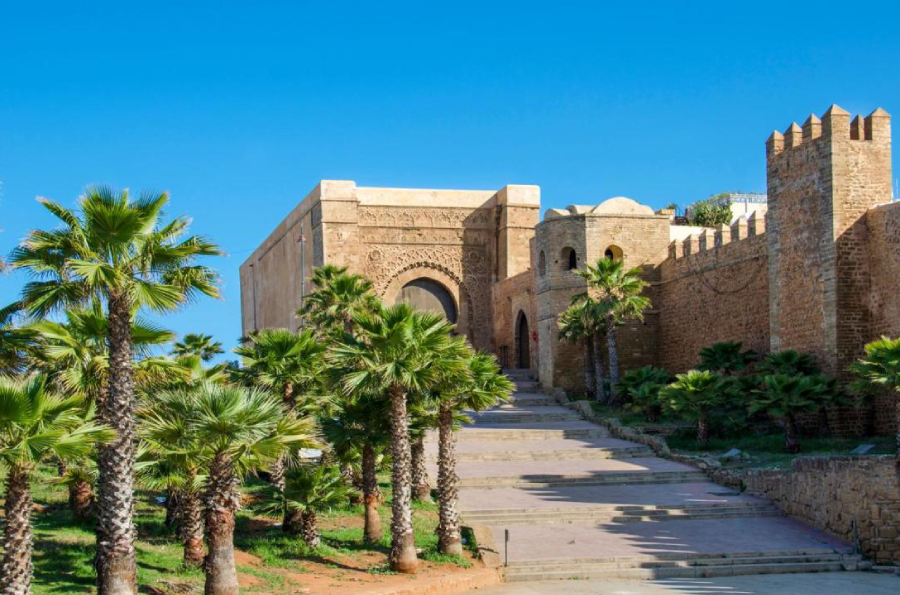
The Kasbah of the Udayas is one of Rabat's most iconic attractions. This ancient fortress, whose origins date back to the Almohad period, overlooks the mouth of the Bouregreg River and offers magnificent views of the Atlantic Ocean and the city of Salé.
As you wander through its narrow streets, you will discover beautiful houses with blue and white doors, picturesque passageways and façades reflecting Andalusian influences. The neighbourhood is particularly pleasant for a leisurely walk and photography.
Do not miss the Andalusian Gardens, a peaceful green space located within the Kasbah. You can also take a break at Café Maure, famous for its mint tea and Moroccan pastries, while enjoying views of the river.
The Kasbah of the Udayas is an essential stop for anyone wishing to discover the history and traditional architecture of Rabat.
2. Rabat Medina and Its Traditional Souks
The Medina of Rabat is an ideal place to discover everyday local life and Moroccan craftsmanship. Its lively narrow streets are home to numerous shops, traditional workshops and small businesses selling local products.
You can find Moroccan carpets, leather goods, copper items, traditional clothing, pottery and a variety of handcrafted souvenirs.
Rue des Consuls is particularly interesting for craft enthusiasts. Historically associated with trade and the presence of foreign diplomats, it is now one of the best-known shopping streets in the medina.
Take your time wandering through the narrow streets, watching artisans at work and discovering local flavours. The medina offers an authentic atmosphere and is an excellent introduction to Moroccan culture.
3. Hassan Tower and the Hassan Mosque
Hassan Tower is one of Rabat's most famous monuments and an important symbol of Almohad history.
Its construction began in 1195 under the reign of Caliph Yacoub el-Mansour. It was intended to form part of an enormous mosque that would have become one of the largest in the Muslim world. However, construction was halted following the ruler's death in 1199.
Today, the unfinished tower overlooks a vast esplanade where the columns of the former mosque still stand. These remains offer an idea of the impressive scale of the original project.
Hassan Tower is a must-see attraction for anyone interested in history, architecture and Moroccan heritage.
4. Mohammed V Mausoleum
Located directly opposite Hassan Tower, the Mohammed V Mausoleum is a masterpiece of traditional Moroccan architecture.
Built between 1961 and 1969, it houses the tombs of King Mohammed V and his sons, King Hassan II and Prince Moulay Abdallah.
The building stands out for its elegant architecture, marble decorations, carved ceilings and magnificent ornaments created by Moroccan artisans.
Inside, visitors can admire the intricate craftsmanship of carved wood, decorative plasterwork and traditional mosaics. The entire complex is an outstanding example of Moroccan craftsmanship.
5. Chellah, Between Roman Ruins and a Marinid Necropolis
Located just a few minutes from the centre of Rabat, Chellah is an exceptional historical and archaeological site.
An ancient Roman city known as Sala Colonia, the site was later transformed into a necropolis during the Marinid dynasty. Visitors can discover the remains of ancient buildings, medieval architectural features, old gateways and peaceful gardens.
As you walk along its paths, you can observe historical ruins, green spaces and storks that have made their homes on several ancient structures.
Chellah is particularly appreciated for its peaceful atmosphere and natural surroundings. It is an ideal place for visitors who want to combine historical discovery with an outdoor walk.
6. Mohammed VI Museum of Modern and Contemporary Art
For art and culture enthusiasts, the Mohammed VI Museum of Modern and Contemporary Art is an interesting place to visit.
Inaugurated in 2014, it is dedicated to showcasing and promoting modern and contemporary art in Morocco. Its collections introduce visitors to different generations of Moroccan artists and the artistic developments that have shaped the country.
The museum also hosts temporary exhibitions and cultural events highlighting various forms of artistic expression.
Its architecture combines elements inspired by Moroccan heritage with contemporary design, creating a harmonious setting in the heart of the capital.
7. National Jewellery Museum in the Kasbah of the Udayas
Located in the historic Moulay Ismail Palace, within the Kasbah of the Udayas, the National Jewellery Museum offers an opportunity to discover the richness of traditional Moroccan craftsmanship.
Its collections feature different types of jewellery, ornaments and decorative objects from several regions of Morocco.
The displayed pieces highlight the diversity of Moroccan craft traditions, particularly through silverwork, decorative techniques and regional styles.
This visit perfectly complements your discovery of the Kasbah of the Udayas and provides a better understanding of the importance of jewellery in Moroccan culture and traditions.
8. Rabat Beaches and the Atlantic Coastline
Rabat also has an attractive coastline for visitors who want to enjoy the Atlantic Ocean.
Rabat Beach, located near the Kasbah of the Udayas, is appreciated for its natural setting and coastal scenery. Surfing enthusiasts can also discover the area's surf spots and activities offered by local clubs.
The coastline offers wonderful opportunities for walks, relaxation and discovering the beauty of the seaside landscape.
However, it is advisable to check swimming conditions and the weather forecast before enjoying the sea.

Rabat's Gardens and Green Spaces
Rabat is also known for its many green spaces. Its gardens and tree-lined promenades offer another way to discover the capital, away from the busy shopping districts.
Jardin d'Essais Botaniques
The Jardin d'Essais Botaniques is one of Rabat's historic green spaces. It is home to various plant species and provides a pleasant setting for walking among lush vegetation.
Its shaded pathways and landscaped areas make it an interesting stop for nature lovers and families.
Andalusian Gardens of the Udayas
Located inside the Kasbah of the Udayas, these gardens are a true haven of tranquillity. Inspired by Andalusian garden design, they combine lush vegetation, fountains and pleasant walking areas.
They are also a lovely place to take a break after exploring the Kasbah's historic streets.
Where to Eat in Rabat? Discover Moroccan Cuisine
Food is an essential part of any trip to Morocco. In Rabat, visitors can enjoy a varied culinary scene combining traditional Moroccan recipes, Mediterranean influences and international cuisine.
If you are wondering where to eat in Rabat, several neighbourhoods offer interesting places to sample local specialities, enjoy a traditional tagine or have dinner in a unique setting.
Moroccan Specialities to Try in Rabat
Make the most of your stay by discovering the classics of Moroccan cuisine: couscous, tagines, pastilla, harira and a variety of dishes prepared with vegetables, meat and aromatic spices.
To finish your meal, enjoy a glass of mint tea accompanied by Moroccan pastries such as gazelle horns or almond briouats.
Best Restaurants in Rabat
The capital offers a varied selection of restaurants, ranging from traditional establishments to contemporary dining venues. Here are a few restaurants featured in our selection for discovering different culinary atmospheres in Rabat.
Ch'hiwates du Terroir
Ch'hiwates du Terroir is associated with contemporary Moroccan cuisine and an approach that focuses on fresh ingredients. Its concept highlights local flavours and includes vegetarian dishes inspired by Moroccan gastronomy.
Le Dhow
Located on a boat moored along the Bouregreg River, near the Kasbah of the Udayas, Le Dhow offers a unique setting for a meal or an evening out in Rabat.
Its location allows guests to enjoy a distinctive atmosphere with views of the river. The menu includes dishes such as seafood and grilled specialities.
Dinarjat
Located in the Medina of Rabat, Dinarjat is known for its traditional setting and Moroccan atmosphere. The restaurant serves cuisine inspired by local recipes in a setting reminiscent of the city's traditional homes.
It is worth considering for travellers who want to combine Moroccan gastronomy with an authentic atmosphere.
La Mamma
La Mamma is an Italian restaurant appreciated for its friendly, family-oriented atmosphere. It serves dishes such as pizza and offers an interesting alternative for visitors looking to enjoy different culinary experiences during their stay in Rabat.
Restaurant opening hours, contact details and menus may change, so remember to check the information directly with the establishments before your visit.
Rabat is much more than its historical monuments. The capital also has a lively cultural scene, with theatres, museums, cultural institutes and events organised throughout the year.

Culture, Events and Artistic Life in Rabat
Mawazine Festival
The Mawazine Rhythms of the World Festival is one of Morocco's major musical events. Held in Rabat, it welcomes Moroccan and international artists from a wide range of musical backgrounds.
It contributes to the cultural reputation of the capital and attracts numerous music lovers every year.
Theatres and Cultural Institutes
The city also offers theatre performances, concerts, exhibitions and cultural events. Cultural institutions and performance venues provide opportunities to discover both Moroccan productions and international works.
Before your trip, check the cultural programmes to find out which events are taking place during your travel dates.

Practical Tips for Visiting Rabat
How Much Time Should You Spend Visiting Rabat?
One day is enough to discover some of Rabat's main monuments, including the Kasbah of the Udayas, Hassan Tower and Mohammed V Mausoleum. To also visit Chellah, the museums and the medina, while enjoying the local gastronomy, it is better to plan two to three days.
How to Get Around Rabat?
Rabat offers several transport options to make getting around easy, including the tramway, petit taxis and grand taxis. The historic centre is also easy to explore on foot, particularly the medina and the Kasbah of the Udayas.
What Is the Best Time to Visit Rabat?
Spring and autumn are generally the most pleasant seasons to visit Rabat. Temperatures are usually moderate, making it easier to enjoy city walks, historical monuments and the coastline.
Summer is also an interesting time to visit, particularly for enjoying the coastal atmosphere, although some days can be hotter.
Is Rabat a Family-Friendly Destination?
Yes, Rabat offers several activities suitable for families. Its gardens, museums, medina, seaside promenades and historical sites make it easy to create a varied itinerary for visitors of all ages.
Rabat, a Moroccan Capital Well Worth Discovering
With its historical monuments, traditional neighbourhoods, green spaces and cultural scene, Rabat has plenty to offer travellers.
Whether you are passionate about history, interested in architecture, curious to discover Moroccan gastronomy or simply looking for a pleasant destination on the Atlantic coast, Morocco's capital is well worth a visit.
This Rabat city guide will help you plan your visit and make the most of the must-see attractions in a destination where heritage, modernity and traditions come together.